Best Profitable Crops for Indian Farmers in 2026
Published on: 11-May-2026
Updated on: 14-May-2026

Crops
Food Crops
Wheat
Table of Contents
- 1. Wheat
- 2. Rice
- 3. Maize
- The advantages of maize cultivation.Advantages of Maize farming.
- The states that grow the most maize are called key maize-producing states.
- 4. Sugarcane
- 5. Cotton
- The advantages of cotton culture are numerous. There are many benefits to cotton culture.
- Top Cotton Producing States
- 6. Pulses
- 7. Fruits and Vegetables
- Agricultural crops are used for medicinal purposes and as medicine.
- Popular Herbal Crops
- Why is it that herbal farming is profitable? So why is herbal farming profitable?
- 9. Millets
- 10. Oilseed Crops
- The following points need to be taken into account before farmers select crops.
- The key to profitable farming is the use of technology. The use of technology is a key to profitable farming.
- Conclusion
Best Profitable Crops In Indian Agriculture 2026
Indian agriculture is changing rapidly as farmers are now focusing more on high-profit and market-demand crops. Rising population, food processing industries, exports, and modern farming techniques are creating new opportunities for farmers across the country. In 2026, selecting the right crop can help farmers improve productivity, reduce risks, and increase overall income.
Here are some of the best profitable crops for Indian farmers in 2026.
1. Wheat
Wheat is still one of the most essential and lucrative crops in India. Wheat demand is strong due to its consumption and good government procurement support.
What causes wheat to be profitable? Why Wheat is Profitable
- Stable market demand
- The government gives Minimum Support Price (MSP) support to farmers.
- Its large-scale farming is suitable.
- Good export opportunities
Major Wheat Producing States
- Punjab
- Haryana
- Uttar Pradesh
- Madhya Pradesh
- Rajasthan
2. Rice
Another big crop with good potential is rice, which has also been a good source of income for the Indian farmers. Farmers have benefited from better hybrid seeds and irrigation techniques to boost productivity.
Benefits of Rice Farming
- High domestic demand
- Export opportunities
- Government support schemes
- Access to modern agricultural technologies
The states with the biggest population of people who grow rice.
- West Bengal
- Punjab
- Andhra Pradesh
- Tamil Nadu
- Chhattisgarh
3. Maize
The rising demand for maize in industries like poultry feed, ethanol, and food processing industries is making maize more profitable.
The advantages of maize cultivation.Advantages of Maize farming.
- Short crop duration
- High market demand
- It is possible to reduce water use to half that of rice.
- Better profitability
The states that grow the most maize are called key maize-producing states.
- Karnataka
- Bihar
- Madhya Pradesh
- Maharashtra
4. Sugarcane
The sugar industry and ethanol industry in India are robust, and hence sugarcane is still one of the highest-yielding crops for farmers.
Advantages of Sugarcane Farming
- Long-term income source
- Growing ethanol demand
- Government price support
- High-yielding potential
Major Sugarcane States
- Uttar Pradesh
- Maharashtra
- Karnataka
- Tamil Nadu
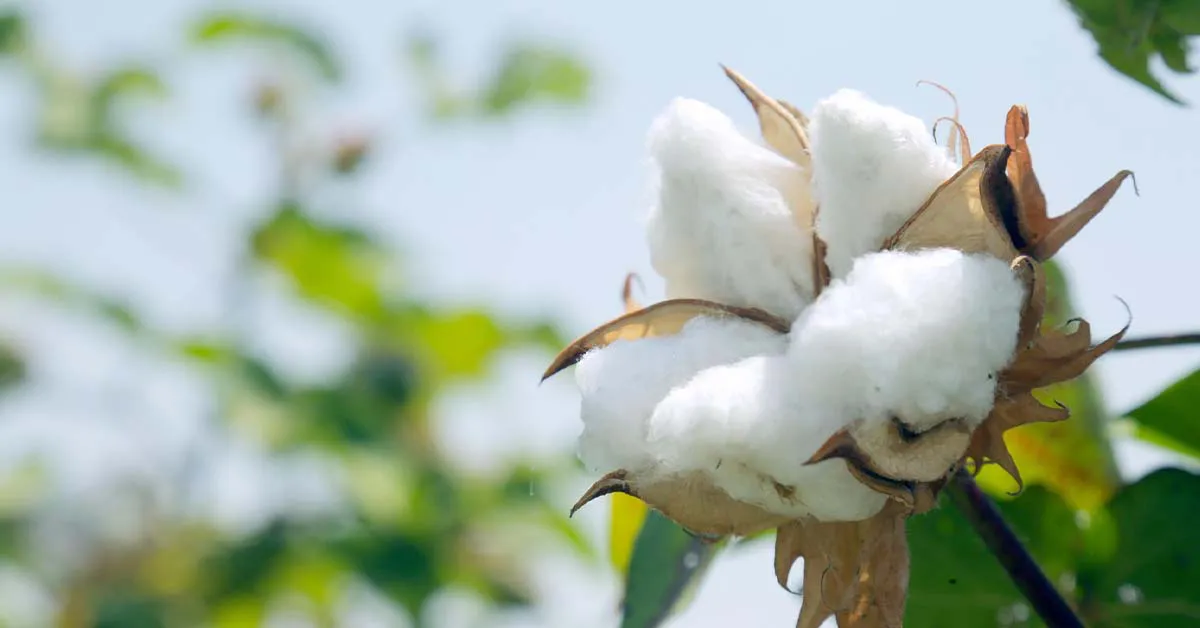
5. Cotton
There is still good cotton income, particularly in textile-growing areas.
The advantages of cotton culture are numerous. There are many benefits to cotton culture.
- Tight demand from the textile sector.
- Export opportunities
- Eligible to be used in dry areas
- The availability of advanced hybrid seeds.
Top Cotton Producing States
- Gujarat
- Maharashtra
- Telangana
- Punjab
6. Pulses
The selection of pulses like tur dal, moong dal and chana is becoming highly profitable as people are becoming more aware of their health and the need for protein.
Why Pulses are important to consume.
- Lower cultivation cost
- Improves soil fertility
- High market prices
- Growing domestic demand
Major Pulse-Producing States
- Madhya Pradesh
- Rajasthan
- Maharashtra
- Uttar Pradesh
7. Fruits and Vegetables
The interest in horticulture farming is increasing rapidly in India. With good management, fruits and vegetables can yield better profits than traditional crops.
High-Demand Crops
- Tomato
- Onion
- Potato
- Banana
- Mango
- Pomegranate
Benefits
- Faster income generation
- Export potential
- High market demand
- Suitable for small farms
Agricultural crops are used for medicinal purposes and as medicine.
Since the Ayurvedic and pharmaceutical industries are increasingly demanding medicinal plants, medicinal farming is becoming more popular.
Popular Herbal Crops
- Aloe Vera
- Ashwagandha
- Tulsi
- Lemongrass
Why is it that herbal farming is profitable? So why is herbal farming profitable?
- High-value market
- Export demand
- Lower competition
- Growing wellness industry
9. Millets
Due to their health benefits and government promotion programs, millets are once again gaining popularity.
Popular Millet Crops
- Bajra
- Jowar
- Ragi
Advantages
- Low water requirement
- Climate-resistant crops
- Increasing health-conscious demand
- Better sustainability
10. Oilseed Crops
Due to the increasing demand for edible oils, oilseed crops like mustard, soyabean and sunflower continue to provide good profits.
Benefits of Oilseed Farming
- The Indian consumption of high is very high.
- Good MSP support
- Strong demand in the processing industry.
Major Oilseed States
- Rajasthan
- Madhya Pradesh
- Gujarat
- Maharashtra
The following points need to be taken into account before farmers select crops.
Farmers need to consider the following before choosing a crop:
- Soil quality
- Climate conditions
- Water availability
- Market demand
- Government support
- Storage facilities
- Transportation access
The selection of appropriate crops for the area under the conditions can increase profitability and lower the farming risk.
The key to profitable farming is the use of technology. The use of technology is a key to profitable farming.
Modern technology is aiding the farmers to boost the productivity of their crops by:
- Smart irrigation systems
- Drones for spraying
- Soil testing
- GPS-based tractors
- Weather forecasting apps
Planting improved varieties and applying other advanced agricultural methods may yield greater returns to the farmer and higher-quality crops.
Conclusion
The farmers in India have plenty of profitable farming options available in 2026, depending on their location, climate, and market access. Traditional crops, such as wheat, rice and sugarcane, continue to be good options, and horticulture, medicinal plants and millets are also offering new avenues of income generation.
Indian farmers can enhance productivity, boost profits, and contribute to a more sustainable agricultural future by implementing modern farming methods and growing crops that have high market demand.
Category




Subsistence Farming in India
22-Apr-2025

Terrace farming in India
14-Apr-2025
Cotton farming in India
14-Apr-2025